
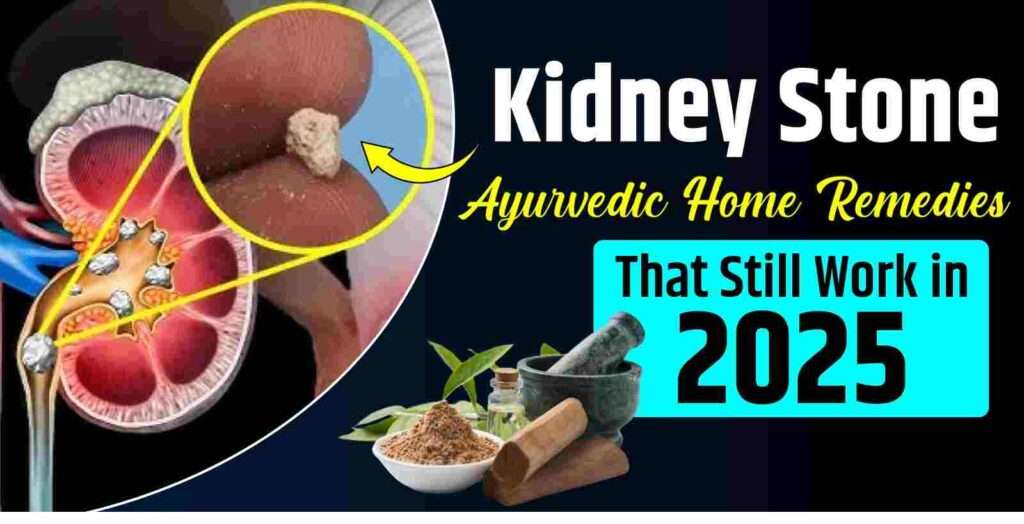
Kidney stones are small, hard deposits that form inside your kidneys. They can cause severe pain and discomfort when they move through your urinary system. Many people fear that surgery is the only option to remove these stones, but that’s not always true.
Ayurveda, the ancient Indian system of medicine that has been practiced for over 5,000 years, offers a natural and gentle approach to treating kidney stones. Instead of rushing into surgery, Ayurveda focuses on dissolving the stones naturally, preventing new ones from forming, and healing your body from within.
This blog will help you understand how ayurvedic treatment for kidney stones works and why it might be a better choice for your long-term health.
Understanding Kidney Stones in Ayurveda (Ashmari Rog)
In Ayurveda, kidney stones are called “Ashmari,” which literally means “stone-like formation.” According to ancient Ayurvedic texts like Charaka Samhita and Sushruta Samhita, these stones form when your body’s natural balance is disturbed.
How Kidney Stones Form According to Ayurveda
Ayurveda teaches that our body is governed by three energies called doshas: Vata, Pitta, and Kapha. When these energies become imbalanced, they can create health problems. Kidney stones typically form when:
- Vata dosha becomes aggravated, causing dryness in the urinary system
- Pitta dosha creates excess heat, leading to crystallization
- Kapha dosha causes the crystals to stick together and form stones
Ayurvedic Classification of Kidney Stones
Ayurveda divides kidney stones into four main types based on which dosha is dominant:
- Vataja Ashmari – Rough, dry stones caused by Vata imbalance
- Pittaja Ashmari – Yellowish or reddish stones from excess Pitta
- Kaphaja Ashmari – Large, smooth stones due to Kapha dominance
- Shukraja Ashmari – Stones formed from crystallized minerals
Causes (Nidana) of Kidney Stones
According to Ayurveda, kidney stones develop due to:
- Drinking less water throughout the day
- Eating too many salty, spicy, or sour foods
- Holding urine for long periods
- Eating heavy foods that are difficult to digest
- Not getting enough physical activity
- Living in hot climates without proper hydration
- Excessive consumption of foods high in oxalates (like spinach, tomatoes)
Kidney Stone Symptoms (Lakshana)
The kidney stone symptoms can vary, but common signs include:
- Sharp, severe pain in the lower back or side
- Pain that comes in waves and changes in intensity
- Burning sensation while urinating
- Blood in urine (pink, red, or brown color)
- Frequent urge to urinate
- Nausea and vomiting
- Fever and chills if infection is present
- Cloudy or foul-smelling urine
Early detection of these symptoms can help you seek kidney stone pain relief through natural methods before the condition worsens.
Why Choose Ayurveda Over Surgery
When diagnosed with kidney stones, many doctors immediately suggest surgical procedures like lithotripsy (breaking stones with shock waves) or ureteroscopy (removing stones with a scope). While surgery can be necessary in severe cases, kidney stone treatment without surgery through Ayurveda offers several advantages.
Risks of Surgery
Surgical procedures for kidney stones can involve:
- Risk of infection after the procedure
- Damage to the kidney or surrounding organs
- Need for anesthesia, which has its own risks
- Recovery time that keeps you away from daily activities
- High cost of medical procedures
- Possibility of stones forming again since surgery doesn’t address the root cause
- Potential complications like bleeding or scarring
Natural Healing Through Ayurveda
Ayurvedic medicine for kidney stones focuses on:
- Dissolving existing stones gradually using natural herbs
- Addressing the root cause of stone formation, not just the symptoms
- Preventing recurrence by balancing your body’s natural energies
- Strengthening kidney function for better long-term health
- No side effects since treatments use natural ingredients
- Cost-effective compared to surgical interventions
- Holistic healing that improves overall health, not just kidney health
According to
DR. SHWETA A.S. (Ayurvedacharya), BAMS, Pune, India
Clinical Ayurveda Specialist, California USA
MD (Ayurveda Vachaspati Ongoing), Sri Sri College & Hospital of Ayurvedic Sciences and Research Centre
Dr. Aditi Sharma, BAMS (Bachelor of Ayurvedic Medicine and Surgery) and Specialist in Panchakarma therapy with 15 years of experience, “Ayurveda doesn’t just remove the stone; it corrects the imbalance that caused the stone to form in the first place. This is why patients who follow Ayurvedic treatment have much lower rates of stone recurrence.”
Dr. Abdullah (Ayurvedacharya) BAMS (RGUHS, Bangalore)
Long-term Benefits of Ayurvedic Management
When you choose the Ayurvedic path for kidney stone treatment:
- Your kidneys become stronger and function better
- Your digestive system improves, preventing toxin buildup
- You develop healthier eating and lifestyle habits
- Your overall immunity increases
- You avoid the trauma and stress of surgery
- You save money on repeated medical procedures
Top Ayurvedic Medicines for Kidney Stones
Ayurveda offers powerful herbs that have been used for centuries to treat kidney stones. These natural remedies work by breaking down stones, easing their passage, and preventing new stones from forming.
1. Pashanbheda (Bergenia ligulata)
The name “Pashanbheda” literally means “breaker of stones,” which tells you exactly what this herb does.
How it works:
- Breaks down kidney stones into smaller pieces
- Makes it easier for stones to pass through urine
- Reduces inflammation in the urinary tract
- Acts as a natural diuretic (increases urine production)
How to use:
- Take 3-6 grams of Pashanbheda powder with water twice daily
- Or drink a decoction made by boiling the herb in water
- Best taken on an empty stomach in the morning
2. Gokshura (Tribulus terrestris)
Gokshura is one of the most effective ayurvedic medicine for kidney stones and is widely used in Ayurvedic formulations.
How it works:
- Helps flush out kidney stones naturally
- Soothes the urinary tract and reduces pain
- Prevents crystal formation that leads to stones
- Supports overall kidney health and function
- Reduces burning sensation during urination
How to use:
- Take 5-10 grams of Gokshura powder with milk or water
- Can be taken twice daily after meals
- Also available as tablets in most Ayurvedic pharmacies
3. Punarnava (Boerhavia diffusa)
Punarnava means “the one that renews,” and it truly renews kidney health.
How it works:
- Excellent diuretic that increases urine output
- Reduces inflammation and swelling in kidneys
- Helps remove toxins from the body
- Prevents stone formation
- Reduces water retention
How to use:
- Take 3-6 grams of Punarnava powder with water
- Can be mixed with honey for better taste
- Take twice daily before meals
4. Varuna (Crataeva nurvala)
Varuna is specifically mentioned in ancient Ayurvedic texts for treating urinary disorders.
How it works:
- Dissolves kidney stones naturally
- Relaxes the urinary tract muscles for easier stone passage
- Reduces pain and discomfort
- Has antimicrobial properties that prevent infections
How to use:
- Take 2-3 grams of bark powder twice daily
- Or drink a decoction made from the bark
- Continue for at least 2-3 months for best results
5. Kulthi (Horse Gram)
This protein-rich legume is a kitchen remedy that doubles as medicine.
How it works:
- Breaks down calcium deposits in stones
- Helps in dissolving stones naturally
- Rich in nutrients that support kidney health
How to use:
- Soak 2 tablespoons overnight, boil in morning
- Drink the water on empty stomach
- Use daily for 2-3 months
Combined Formulations
Many Ayurvedic pharmacies offer ready-made combinations that include multiple herbs for better effectiveness. Always consult with an Ayurvedic practitioner before starting any herbal medicine to ensure proper dosage and suitability for your specific condition.
Effective Home Remedies for Kidney Stone Pain Relief
Along with ayurvedic medicine for kidney stones, simple home remedies can provide immediate kidney stone pain relief and help dissolve stones naturally.
1. Lemon Juice and Water
Lemon juice contains citric acid, which helps break down calcium-based stones and prevents new ones from forming.
How to use:
- Squeeze half a lemon into a glass of water
- Drink this 2-3 times daily
- Avoid adding sugar; use raw honey if needed for taste
- Best consumed first thing in the morning
2. Coconut Water
Fresh coconut water is a natural coolant and excellent diuretic.
Benefits:
- Flushes out toxins and small stones
- Reduces burning sensation during urination
- Keeps you hydrated
- Balances Pitta dosha (heat) in the body
How to use:
- Drink 2-3 glasses of fresh coconut water daily
- Best consumed during hot weather
- Choose fresh coconut over packaged versions
3. Barley Water
Barley water is a traditional Ayurvedic remedy for urinary problems.
Benefits:
- Acts as a natural diuretic
- Helps flush out kidney stones
- Reduces inflammation in the urinary tract
- Maintains kidney health
How to prepare:
- Boil 1 cup of barley in 3-4 cups of water
- Simmer for 20-30 minutes until water reduces
- Strain and drink throughout the day
- Can add lemon juice for enhanced benefits
4. Basil (Tulsi) Juice
Holy basil or Tulsi is sacred in Indian culture and powerful medicine.
Benefits:
- Helps dissolve stones in the kidneys
- Acts as a kidney tonic
- Strengthens kidney function
- Prevents stone recurrence
How to use:
- Extract juice from 10-15 fresh Tulsi leaves
- Mix with 1 teaspoon of honey
- Consume daily on an empty stomach for 6 months
5. Apple Cider Vinegar
While not traditional Ayurvedic medicine, apple cider vinegar has proven benefits.
Benefits:
- Dissolves kidney stones
- Alkalizes the body
- Reduces stone-forming minerals
How to use:
- Mix 2 tablespoons of raw apple cider vinegar in a glass of water
- Drink twice daily before meals
- Rinse your mouth after consumption to protect tooth enamel
6. Pomegranate Juice
Pomegranate is mentioned in Ayurvedic texts for kidney health.
Benefits:
- Rich in antioxidants
- Helps flush out stones and toxins
- Reduces acidity in urine
How to use:
- Drink 1 glass of fresh pomegranate juice daily
- Avoid packaged juices with added sugar
- Seeds can also be eaten directly
7. Kidney Bean (Rajma) Broth
The broth from cooked kidney beans is an old remedy for kidney stones.
How to prepare:
- Boil kidney beans in water
- Strain the liquid and let it cool
- Drink this broth throughout the day
- Repeat for several days
Diet and Lifestyle for Kidney Stone Prevention
Prevention is always better than cure. Following the right diet and lifestyle changes can prevent kidney stones from forming again.
Foods to Include in Your Kidney Stone Diet
Hydrating Foods:
- Cucumber – 96% water content
- Watermelon – hydrates and flushes kidneys
- Oranges – rich in citrate that prevents stones
- Lemon – breaks down stone-forming crystals
Beneficial Vegetables:
- Bottle gourd (lauki) – cooling and diuretic
- Ash gourd (petha) – excellent for kidney health
- Ridge gourd (turai) – helps flush out toxins
- Radish – prevents stone formation
Whole Grains:
- Brown rice – easy to digest
- Barley – natural diuretic
- Oats – low in oxalates
- Wheat – in moderation
Herbs and Spices:
- Coriander – cooling and diuretic
- Fennel – aids digestion
- Cumin – prevents crystal formation
- Turmeric – anti-inflammatory
Foods to Avoid or Limit
High Oxalate Foods:
- Spinach (palak) – very high in oxalates
- Tomatoes – in excess can cause stones
- Beetroot – high oxalate content
- Chocolate – contains oxalates
- Nuts – especially almonds and cashews
Avoid These Completely:
- Excessive salt – causes calcium buildup
- Foods with added sugar – creates acidity
- Processed foods – contain harmful additives
- Soft drinks – especially cola drinks
- Alcohol – dehydrates the body
- Red meat – in large quantities
Moderate Consumption:
- Dairy products – don’t eliminate completely but don’t overdo
- Coffee and tea – limit to 1-2 cups daily
- Sour foods – yogurt, tamarind in moderation
Follow diet and lifestyle kidney stone prevention only as per the advice by Ayurvedic physician.
Daily Water Intake
Water is the most important part of kidney stone treatment without surgery.
Daily water intake depends on your weight, with a common guideline being to drink 30–35 ml of water per kilogram of body weight. For example, a 70 kg person would need about 2.1 to 2.45 liters of water daily.
Lifestyle Changes for Prevention
Morning Routine:
- Wake up early (before sunrise if possible)
- Drink 2 glasses of lukewarm water immediately
- Never skip breakfast
- Include light exercise like walking or yoga
Daily Habits:herbal
- Never hold urine when you feel the urge
- Avoid sitting for long hours continuously
- Take short walks after meals
- Maintain regular meal times
Exercise Recommendations:
- Walk for at least 30 minutes daily
- Practice yoga poses like Pawanmuktasana (wind-relieving pose)
- Bhujangasana (cobra pose) strengthens kidneys
- Swimming is excellent for overall health
- Avoid excessive strenuous exercise that causes dehydration
Sleep Pattern:
- Sleep by 10 PM
- Get 7-8 hours of quality sleep
- Avoid sleeping immediately after meals
- Sleep on your left side for better digestion
Stress Management:
- Practice deep breathing (Pranayama) daily
- Meditation for 10-15 minutes
- Avoid stress and anxiety as they aggravate Vata dosha
- Spend time in nature
Seasonal Considerations
Ayurveda emphasizes adjusting your diet according to seasons:
Summer (Grishma Ritu):
- Increase water and fluid intake
- Eat cooling foods like cucumber, coconut water
- Avoid hot, spicy foods
Winter (Hemanta Ritu):
- Maintain adequate hydration despite less thirst
- Include warming spices in moderation
- Keep the body warm
Monsoon (Varsha Ritu):
- Drink boiled and cooled water
- Avoid eating outside food
- Include ginger and black pepper in diet
Case Studies from Ayurvedic Practice
Real-life success stories show how effective ayurvedic treatment for kidney stones can be.
Case Study 1: Mr. Rajesh Kumar, Age 42
Background: Mr. Rajesh, a software engineer from Bangalore, was diagnosed with a 7mm kidney stone in his right kidney. He experienced severe pain and was advised surgery by his urologist.
Symptoms:
- Intense pain in lower back
- Blood in urine
- Difficulty sleeping due to discomfort
- Frequent urination with burning sensation
Ayurvedic Treatment Given:
- Pashanbheda and Gokshura powder – 5 grams twice daily
- Punarnava decoction – once daily in morning
- Dietary changes including increased water intake to 3-4 liters daily
- Kulthi (horse gram) soup daily
Results: After 3 months of consistent ayurvedic medicine for kidney stones, Mr. Rajesh’s ultrasound showed the stone had reduced to 3mm. By the 5th month, the stone had completely dissolved and passed naturally through urine without any surgical intervention.
Patient Testimonial: “I was scared of surgery and its risks. Dr. Aditi at Shri Ayurveda Clinic gave me hope that natural treatment could work. It required patience and discipline, but I’m so grateful I chose Ayurveda. Not only is my stone gone, but my overall health has improved dramatically.” – Rajesh Kumar
Case Study 2: Mrs. Priya Sharma, Age 35
Background: Mrs. Priya, a homemaker from Delhi, had recurring kidney stones. She had undergone surgery twice in the past 5 years, but stones kept forming again.
Problem:
- Multiple small stones (3-5mm) in both kidneys
- Chronic pain and discomfort
- Frustrated with repeated surgeries
- Looking for permanent solution
Ayurvedic Approach:
- Comprehensive Panchakarma detox therapy for 21 days
- Herbal combination of Varuna, Gokshura, and Punarnava
- Strict dietary protocol avoiding high-oxalate foods
- Daily yoga and pranayama practice
- Lifestyle modifications including stress management
Results: After 6 months of treatment, all stones were dissolved. More importantly, Mrs. Priya has been stone-free for 2 years now, with regular follow-ups showing no new stone formation.
Patient Testimonial: “I had lost hope after two surgeries. The doctors said it was my body’s tendency to form stones. But Ayurveda addressed the root cause. Now I understand what I was doing wrong and how to keep my kidneys healthy naturally.” – Priya Sharma
Key Learnings from These Cases
These success stories demonstrate that:
- Kidney stone treatment without surgery is possible with patience
- Ayurveda addresses root causes, not just symptoms
- Lifestyle and diet changes are as important as medicines
- Prevention of recurrence is achievable through holistic approach
- Each person’s treatment needs to be customized based on their dosha type
According to Dr. Aditi Sharma, “In my 15 years of practice, I have treated over 500 patients with kidney stones. About 80% of them achieved complete resolution without surgery. The key is early intervention, patient compliance, and addressing the underlying imbalances.”
Learn more about our day-care Panchakarma detox programme.
Important Note on Seeking Professional Help
While these case studies are encouraging, it’s important to remember:
- Always consult with qualified Ayurvedic practitioners (BAMS degree holders)
- Get regular ultrasound monitoring to track stone size and location
- Very large stones (above 10mm) might need conventional medical intervention
- If you experience severe pain, fever, or inability to urinate, seek emergency care
- Combine Ayurvedic treatment with regular medical monitoring for safety
The Ministry of AYUSH (Ayurveda, Yoga & Naturopathy, Unani, Siddha and Homoeopathy), Government of India, recognizes Ayurvedic treatments for kidney stones and includes them in integrative medicine protocols.
Conclusion – Healing Naturally with Ayurveda
Kidney stones can be painful and frightening, but they don’t always require surgery. As we’ve explored throughout this blog, ayurvedic treatment for kidney stones offers a safe, natural, and effective alternative that not only dissolves existing stones but prevents new ones from forming.
Key Takeaways
About Treatment:
- Ayurveda views kidney stones as a result of imbalanced doshas (body energies)
- Natural herbs like Pashanbheda, Gokshura, and Punarnava effectively dissolve stones
- Kidney stone treatment without surgery is possible for small to medium-sized stones
- Treatment duration varies but typically shows results within 3-6 months
About Prevention:
- Drinking adequate water (8-10 glasses daily) is the single most important preventive measure
- Following a proper diet that avoids high-oxalate foods reduces recurrence
- Regular exercise and stress management support kidney health
- Seasonal dietary adjustments as per Ayurvedic principles enhance overall wellness
About Kidney Stone Pain Relief:
- Simple home remedies like lemon water and coconut water provide immediate relief
- Ayurvedic herbs soothe the urinary tract while dissolving stones
- Natural treatments have no side effects unlike pain medications
Why Choose the Ayurvedic Path
Unlike surgery which only removes the stone, Ayurveda heals your body at a deeper level. It teaches you to:
- Understand your body’s unique constitution
- Make lifestyle choices that prevent disease
- Use food as medicine
- Live in harmony with nature’s rhythms
The wisdom of Ayurveda has helped millions of people over thousands of years. Modern research is now validating what ancient practitioners always knew – that the body has an incredible ability to heal itself when given the right support.
Taking the First Step
If you’re dealing with kidney stone symptoms or have been diagnosed with kidney stones, consider consulting with a qualified Ayurvedic practitioner. Look for doctors with BAMS (Bachelor of Ayurvedic Medicine and Surgery) degrees and experience in treating kidney disorders.
Remember that healing takes time and patience. Unlike surgery which removes the stone immediately, Ayurvedic treatment works gradually but addresses the root cause. The result is not just a stone-free kidney, but a healthier, more balanced body overall.
Final Words of Encouragement
Your journey to healing doesn’t have to involve invasive procedures. Nature has provided us with powerful remedies that work gently and effectively. With the right guidance, proper ayurvedic medicine for kidney stones, dietary discipline, and lifestyle changes, you can overcome kidney stones naturally.
As the ancient Ayurvedic saying goes: “When diet is wrong, medicine is of no use. When diet is correct, medicine is of no need.” Start your healing journey today by making small, sustainable changes to your daily routine.
Stay hydrated, eat mindfully, live joyfully, and trust in your body’s natural wisdom to heal.
Disclaimer: This blog is for informational purposes only and should not replace professional medical advice. Always consult qualified healthcare practitioners before starting any treatment. For large stones, severe pain, or complications, immediate medical attention may be necessary. The case studies mentioned are based on real treatments but individual results may vary.
About the Expert: Content reviewed by
DR. SHWETA A.S. (Ayurvedacharya), BAMS, Pune, India
Clinical Ayurveda Specialist, California USA
MD (Ayurveda Vachaspati Ongoing), Sri Sri College & Hospital of Ayurvedic Sciences and Research Centre
Dr. Aditi Sharma, BAMS, Specialist in Panchakarma with 15 years of clinical experience in treating kidney and urinary disorders through Ayurveda.
Dr. Abdullah (Ayurvedacharya) BAMS (RGUHS, Bangalore)