
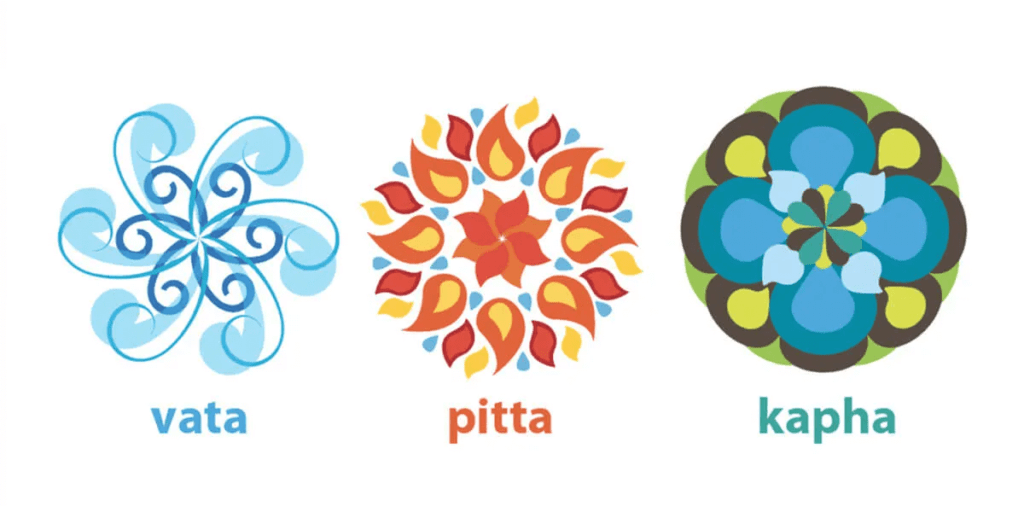
Have you ever wondered why some people feel cold all the time while others are always warm? Or why your friend can eat spicy food without any problem, but you get acidity? The answer lies in an ancient wisdom called Tridosha theory.
Tridosha is the foundation of Ayurveda, India’s 5,000-year-old healing system. The word “Tri Dosha” simply means “three fundamental energies” that control how your body and mind work. Think of these three doshas as three different types of managers in your body – each one has its own job to do.
Understanding your dosha type is like getting a user manual for your own body. It helps you know what foods to eat, what exercise suits you, and how to stay physically, emotionally, and mentally balanced.
At Sri Ayurveda Clinic, we use traditional pulse diagnosis (Nadi Pariksha) to identify your unique dosha balance and help you live your healthiest life.
The Tridosha Theory of Ayurveda Explained
The tridosha theory of Ayurveda teaches us that our body is made up of five basic elements found in nature:
- Ether (space)
- Air
- Fire
- Water
- Earth
These five elements combine in different ways to create three types of energy called doshas: Vata, Pitta, and Kapha.
How Do Tridoshas Work?
Imagine your body as a car. For the car to run smoothly, you need:
- Movement (to drive forward)
- Fuel and combustion (to create energy)
- Structure and lubrication (to keep parts working smoothly)
Similarly, the three dosha types – Vata, Pitta, and Kapha – work together to keep your body running perfectly.
When all three doshas are balanced, you feel energetic, happy, and healthy. But when one or more doshas become too high or too low, you start feeling unwell. This is how the tridosha theory explains the root cause of most health problems.
The Body-Mind Connection in Tridosha
One beautiful thing about the tridosha theory of Ayurveda is that it doesn’t just look at your physical body. It also considers your emotions, thoughts, and personality. When your dosha vata pitta kapha balance is disturbed, it affects both your body and your mind.
For example, if your Vata dosha is too high, you might feel anxious and worried. If Pitta is imbalanced, you might get angry easily. And when Kapha is disturbed, you may feel lazy or sad.
Understanding the Three Doshas – Vata, Pitta, and Kapha
Let’s explore each of these three powerful energies and understand how they shape who you are.
Vata Dosha – The Energy of Movement
Type of Vata Dosha: Made of Air + Ether
Think of Vata as the wind inside your body. Just like wind makes things move, Vata controls all movement in your body.
What Does Vata Control?
- Breathing
- Blood circulation
- Heart beating
- Blinking of eyes
- Movement of food through your stomach
- All thoughts and ideas moving in your mind
Vata Body Type Dosha – Physical Features:
- Usually thin or lean body
- Dry skin and hair
- Cold hands and feet
- Light sleeper
Vata Personality Traits:
- Creative and imaginative
- Quick learner
- Talks fast, moves fast
- Loves change and new experiences
- Enthusiastic and energetic
Signs of Vata Imbalance:
- Feeling anxious or worried all the time
- Trouble sleeping (insomnia)
- Dry skin, dry hair
- Gas and constipation
- Joint pain and cracking sounds
- Feeling restless or scattered
How to Balance Vata:
- Eat warm, cooked, and slightly oily foods
- Follow a regular daily routine
- Go to bed early
- Practice calming exercises like gentle yoga
- Keep yourself warm
- Drink warm water and herbal teas
- Avoid cold, raw, and dry foods
Pitta Dosha – The Energy of Transformation
Dosha Type Pitta: Made of Fire + Water
Pitta is like the fire in your body. Just as fire transforms wood into ash, Pitta transforms food into energy and nutrition.
What Does Pitta Control?
- Digestion and metabolism
- Body temperature
- Skin glow
- Intelligence and understanding
- Courage and confidence
- Vision and eye health
Pitta Body Type Dosha – Physical Features:
- Medium build and weight
- Warm body temperature
- Soft, glowing skin (may have freckles or moles)
- Good appetite
- Sharp, bright eyes
Pitta Personality Traits:
- Smart and intelligent
- Focused and organized
- Natural leaders
- Direct and honest communicators
- Competitive nature
- Strong decision-makers
Signs of Pitta Imbalance:
- Getting angry or irritated easily
- Acidity and heartburn
- Skin rashes or inflammation
- Excessive sweating
- Burning sensation in body
- Red, bloodshot eyes
- Feeling overly critical or judgmental
How to Balance Pitta:
- Eat cooling foods like cucumber, coconut, and mint
- Avoid spicy, fried, and sour foods
- Don’t skip meals
- Practice patience and relaxation
- Spend time in nature
- Avoid direct sun during peak hours
- Use cooling herbs like coriander and fennel
Kapha Dosha – The Energy of Stability
Dosha Type Kapha: Made of Water + Earth
Kapha is like the earth and water in your body. It provides structure, strength, and stability – like the foundation of a building.
What Does Kapha Control?
- Body structure and bones
- Muscle growth
- Immunity and strength
- Lubrication of joints
- Moisture in skin
- Emotional calmness and love
Kapha Body Type Dosha – Physical Features:
- Strong, heavy, and well-built body
- Thick hair and smooth skin
- Slow but steady energy
- Deep, sound sleep
Kapha Personality Traits:
- Calm and peaceful
- Patient and forgiving
- Loving and caring
- Good memory (once they learn something, they remember it)
- Steady and reliable
- Emotionally stable
Signs of Kapha Imbalance:
- Weight gain and difficulty losing weight
- Feeling lazy or sluggish
- Sleeping too much
- Respiratory problems like cough and cold
- Congestion and mucus buildup
- Feeling emotionally attached or possessive
- Depression or feeling “stuck”
How to Balance Kapha:
- Eat light, warm, and spicy foods
- Exercise regularly – be active!
- Wake up early (before 6 AM)
- Avoid heavy, oily, sweet, and cold foods
- Keep learning new things
- Try vigorous exercises like running or dancing
- Use warming spices like ginger, black pepper, and turmeric
Need help balancing your doshas through detox? Learn about Panchakarma Therapy in Delhi.
How to Identify Your Body Type (Dosha Type)
Here’s an important fact: everyone has all three doshas in their body. But usually, one or two doshas are more dominant than the others.
Understanding Prakriti and Vikriti
In Ayurveda, we use two important concepts:
Prakriti = Your natural body type dosha (the dosha balance you were born with) Vikriti = Your current dosha imbalance (caused by lifestyle, food, stress, etc.)
For example, you might be naturally a Vata-Pitta person (Prakriti), but due to eating too much junk food and late-night studying, your Kapha might be currently imbalanced (Vikriti).
How to Find Your Dosha Type
The best way to identify your dosha vata pitta kapha balance is through:
- Nadi Pariksha (Pulse Diagnosis): An Ayurvedic doctor reads your pulse to understand your dosha balance. It’s like reading your body’s secret code!
- Physical Observation: Looking at your body structure, skin type, energy levels, and digestion.
- Questionnaire: Answering questions about your habits, preferences, and health patterns.
- Lifestyle Analysis: Understanding your daily routine, food habits, and emotional patterns.
Pro Tip: Don’t try to guess your dosha on your own. Visit an experienced Ayurvedic doctor for an accurate assessment.
Want to know your exact dosha balance? Visit Sri Ayurveda Clinic, Dwarka for a personalized Tridosha analysis.
Tridosha Balance and Imbalance – Signs and Symptoms
What Does a Balanced Tridosha Feel Like?
When your tridoshas are in perfect harmony, you experience:
- Physical Health: Good digestion, strong immunity, glowing skin, proper weight, sound sleep
- Mental Clarity: Sharp memory, clear thinking, good concentration, creativity
- Emotional Wellbeing: Feeling happy, calm, confident, and emotionally stable
- Spiritual Connection: Sense of purpose, inner peace, and contentment
Common Signs of Tridosha Imbalance
| Dosha | When Imbalanced | You Might Experience |
| Vata | Too High | Anxiety, fear, dry skin, constipation, insomnia, forgetfulness, joint pain |
| Pitta | Too High | Anger, irritability, acidity, skin rashes, inflammation, excessive hunger, burning sensation |
| Kapha | Too High | Weight gain, laziness, excessive sleep, congestion, depression, lack of motivation |
Why Does Dosha Imbalance Happen?
Your dosha vata pitta kapha balance can get disturbed by:
- Wrong Food: Eating foods that don’t suit your body type
- Poor Sleep: Staying awake late or sleeping at irregular times
- Stress: Work pressure, relationship problems, exams
- Weather Changes: Your doshas change with seasons
- Lack of Exercise: Being too active or too inactive
- Emotional Trauma: Grief, anger, fear can disturb doshas
The good news? Once you know which dosha is imbalanced, you can easily fix it with the right diet, lifestyle changes, and Ayurvedic treatments!
Ayurvedic Treatments and Lifestyle to Balance Tridoshas
At Sri Ayurveda Clinic, we offer authentic Ayurvedic treatments specifically designed to restore your tridosha balance.
1. Panchakarma Therapy – Deep Detox for Dosha Correction
Panchakarma is Ayurveda’s most powerful detoxification treatment. It removes toxins from deep inside your body and corrects dosha imbalances at the root level.
The five main Panchakarma treatments are:
- Vamana (controlled vomiting for Kapha)
- Virechana (purgation for Pitta)
- Basti (medicated enema for Vata)
- Nasya (nasal cleansing)
- Raktamokshana (blood purification)
Learn more about Panchakarma Therapy.
2. Marma Therapy – Energy Channel Activation
Marma therapy works on 107 vital energy points in your body. By gently massaging these points, we activate your body’s natural healing power and balance your doshas.
3. Diet & Herbal Guidance
Every body type dosha needs different foods. At Sri Sri Ayurveda Clinic, we create a customized diet plan based on your unique dosha combination.
Sample Food Guidelines:
- For Vata: Warm soups, cooked vegetables, ghee, nuts, warm milk
- For Pitta: Cooling foods like cucumber, coconut, sweet fruits, cilantro
- For Kapha: Light foods, salads, spicy vegetables, ginger tea, honey
We also recommend specific Ayurvedic herbs:
- Vata: Ashwagandha, Brahmi
- Pitta: Amla, Shatavari, Neem
- Kapha: Triphala, Trikatu, Guggulu
4. Daily Routine (Dinacharya)
Following a proper daily routine helps maintain tridosha balance:
- 6:00 AM: Wake up (especially important for Kapha types)
- 6:30 AM: Drink warm water, brush teeth, tongue scraping
- 7:00 AM: Yoga or exercise
- 8:00 AM: Healthy breakfast
- 12:00 PM: Lunch (largest meal of the day)
- 6:00 PM: Light dinner
- 9:00 PM: Relaxation time
- 10:00 PM: Sleep
5. Yoga and Pranayama
Different yoga poses and breathing exercises balance different doshas:
- For Vata: Slow, grounding poses; alternate nostril breathing
- For Pitta: Cooling poses; Sheetali pranayama (cooling breath)
- For Kapha: Energizing poses; Kapalabhati (breath of fire)
The Science Behind Tridosha Theory
You might wonder: “Is the tridosha theory of Ayurveda just an old belief, or is there science behind it?”
Modern research is now discovering that the tridosha theory has a strong scientific basis!
What Research Shows:
- Metabolic Types: Scientists have found that people have different metabolic rates and body compositions – similar to dosha types.
- Genetic Variations: Studies show genetic differences in how people digest food, handle stress, and respond to medicines – just like Ayurveda’s body type dosha concept.
- Gut-Brain Connection: Modern science confirms that digestion affects mental health – exactly what the tridosha theory of Ayurveda has been saying for thousands of years!
- Personalized Medicine: Today’s medicine is moving toward “personalized treatment” – which is what Ayurveda has been doing through dosha-based treatment for 5,000 years.
- Mind-Body Medicine: Research proves that emotions affect physical health – the core principle of dosha vata pitta kapha balance.
The Ministry of AYUSH and National Institute of Ayurveda are conducting ongoing research to scientifically validate the tridosha theory.
Why Consult Sri Ayurveda Clinic for Tridosha Assessment
When it comes to understanding your unique body type dosha, you need experienced Ayurvedic doctors who combine ancient wisdom with modern understanding.
Why Choose Sri Ayurveda Clinic, Dwarka?
✅ Expert Ayurvedic Doctors: Our team has years of experience in tridosha diagnosis and treatment
✅ Authentic Nadi Pariksha: We use traditional pulse diagnosis to accurately identify your dosha balance
✅ Personalized Treatment Plans: Every person is unique – we create customized healing plans based on your specific needs
✅ Comprehensive Panchakarma: Our clinic offers complete Panchakarma therapy in a clean, comfortable environment
✅ Herbal Medicines: We use high-quality, authentic Ayurvedic herbs and formulations
✅ Lifestyle Counseling: Beyond medicines, we guide you on diet, exercise, and daily routines for lasting health
✅ Modern Facilities: Traditional Ayurveda meets modern hygiene and comfort
✅ Holistic Approach: We treat the root cause, not just the symptoms
What to Expect During Your Visit:
- Detailed Consultation: We listen to your health concerns and understand your lifestyle
- Nadi Pariksha: Pulse diagnosis to identify your Prakriti and Vikriti
- Physical Examination: Complete Ayurvedic assessment
- Diagnosis: Clear explanation of your dosha imbalances
- Treatment Plan: Customized plan including diet, herbs, and therapies
- Follow-up: Regular monitoring and adjustments as needed
Whether you’re dealing with a specific health problem or simply want to optimize your wellbeing, Sri Sri Ayurvedic Clinic in Dwarka is your trusted partner in health.
Final Thoughts – Harmony of the Tridoshas for Lifelong Health
The beauty of the tridosha theory is its simplicity and wisdom. Instead of treating diseases, Ayurveda focuses on maintaining balance – preventing problems before they even start.
Understanding your dosha type – whether you’re predominantly Vata, Pitta, Kapha, or a combination – gives you the power to:
- Choose the right foods for your body
- Know what exercise suits you best
- Understand your emotional patterns
- Prevent diseases before they occur
- Live in harmony with nature and seasons
- Achieve your full potential in life
Remember: Health is not just the absence of disease – it’s a state of complete physical, mental, and emotional wellbeing. And that’s exactly what balanced tridoshas give you!
The ancient sages who developed the tridosha theory of Ayurveda thousands of years ago gave us a timeless gift – a complete system for living a long, healthy, and happy life.
Now it’s your turn to experience this wisdom for yourself.
Ready to Discover Your Dosha Balance?
Rediscover balance with authentic Ayurvedic wisdom.
🌿 Book your Tridosha diagnosis at Sri Ayurveda Clinic, Dwarka today.
DR. SHWETA A.S. (Ayurvedacharya), BAMS, Pune, India
Clinical Ayurveda Specialist, California USA
MD (Ayurveda Vachaspati Ongoing), Sri Sri College & Hospital of Ayurvedic Sciences and Research Centre
DR.ADITI S.SHRIVASTAVA
Ayurvedacharya BAMS (BANGALORE)
Ayurvedic Cosmetologist PGDAC (MUMBAI)
📞 Call us to schedule your personalized consultation. Visit our clinic for comprehensive Nadi Pariksha and dosha assessment. Begin your journey to perfect health and harmony
Because when your tridoshas are balanced, everything in life flows smoothly!